What ashwagandha is
Ashwagandha (Withania somnifera) is an evergreen shrub whose root has been used in Ayurvedic tradition for centuries. It's described as an adaptogen, a botanical thought to help the body adapt to stressors.
What the studies looked at
NIH's Office of Dietary Supplements summarizes a number of clinical trials, many of them in adults in India, that tested ashwagandha extracts for perceived stress, anxiety ratings, sleep quality and cortisol. Many reported improvements compared with placebo, especially at doses of about 500–600 mg a day of extract.
The limitations
Most trials were small, short (often 6–8 weeks) and used different extracts and doses. That's why NIH describes the evidence as promising but still developing. A study of one extract doesn't prove that every product containing ashwagandha will have the same effect.
Safety first
NIH notes that side effects are usually mild (upset stomach, drowsiness) but that ashwagandha has been linked to rare liver injury, may affect thyroid function and could interact with several medicines. It may not be suitable in pregnancy.
Where Nervelin fits
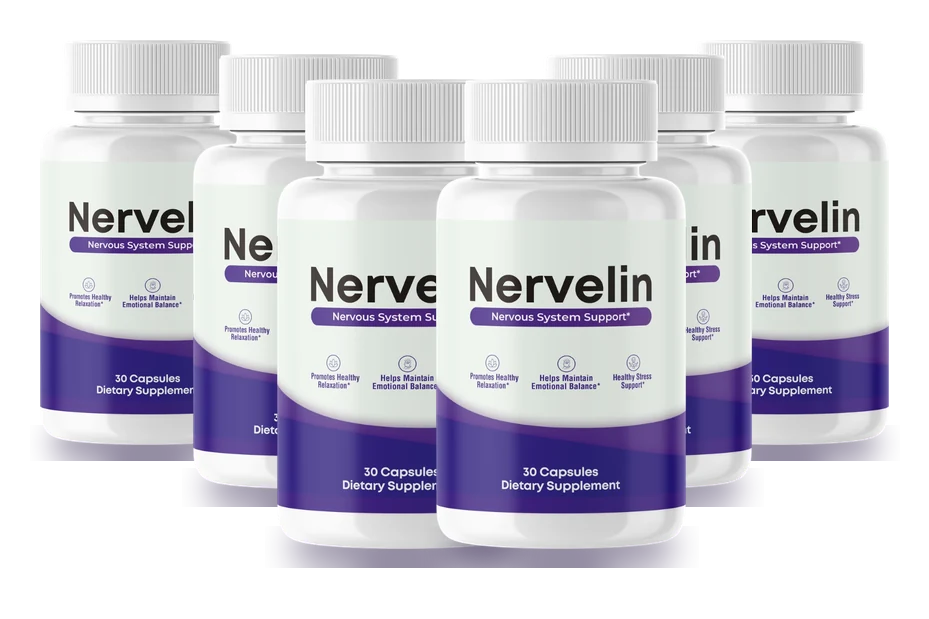
Ashwagandha is one of seven ingredients in Nervelin. See all of them on the product overview, or read the stress-response focus area.
About Nervelin
A 30-capsule nervous-system support supplement with seven named ingredients.
See Nervelin Packages