Why magnesium matters
NIH describes magnesium as a cofactor in more than 300 enzyme systems, including those that regulate muscle and nerve function, blood sugar and blood pressure.
Not all forms are equal
Magnesium comes bound to different partners: glycinate (with glycine), citrate, chloride, oxide and more. NIH notes that forms that dissolve well in liquid are generally absorbed more completely than less soluble ones such as magnesium oxide.
How much do adults need?
Recommended intakes for adults range from about 310 to 420 mg a day from all sources, depending on age and sex. NIH also sets an upper limit for magnesium from supplements, so check every label you take.
Food sources
Leafy greens, legumes, nuts, seeds and whole grains are rich in magnesium. Supplements add to a good diet but don't replace one.
Where Nervelin fits
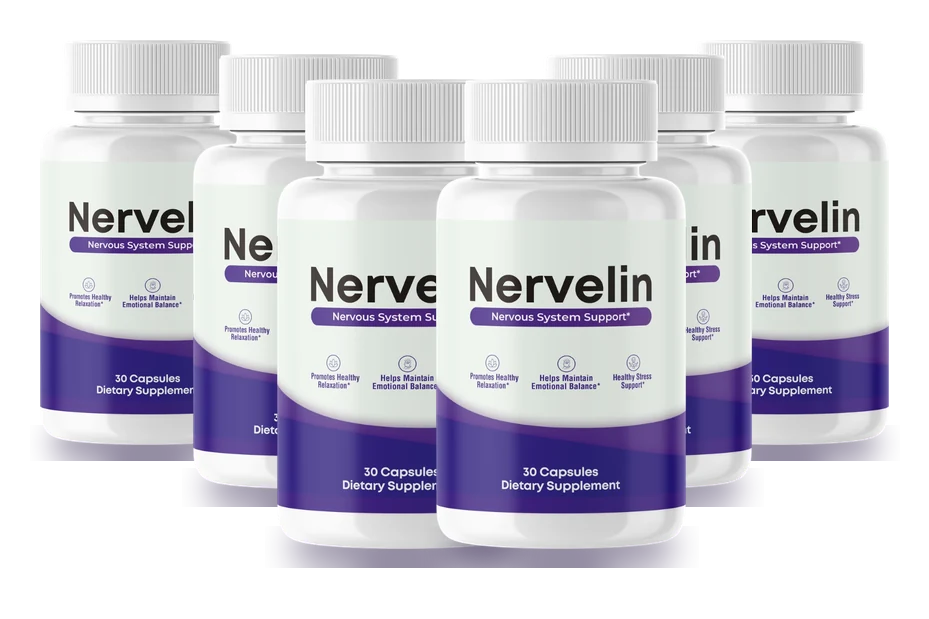
Nervelin uses magnesium glycinate as part of its nervous system nutrition focus area.
About Nervelin
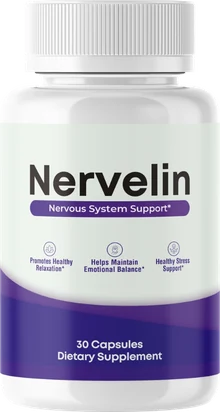
A 30-capsule nervous-system support supplement with seven named ingredients.
See Nervelin Packages